
Top Organic Farming Practices for Sustainable Produce

Organic farming is more than just a method of growing food; it represents a commitment to sustainability, health, and environmental stewardship. As consumers become increasingly aware of the impact of their food choices, organic farming practices are gaining traction. This blog post will explore the top organic farming practices that not only enhance the quality of produce but also promote sustainability in agriculture.
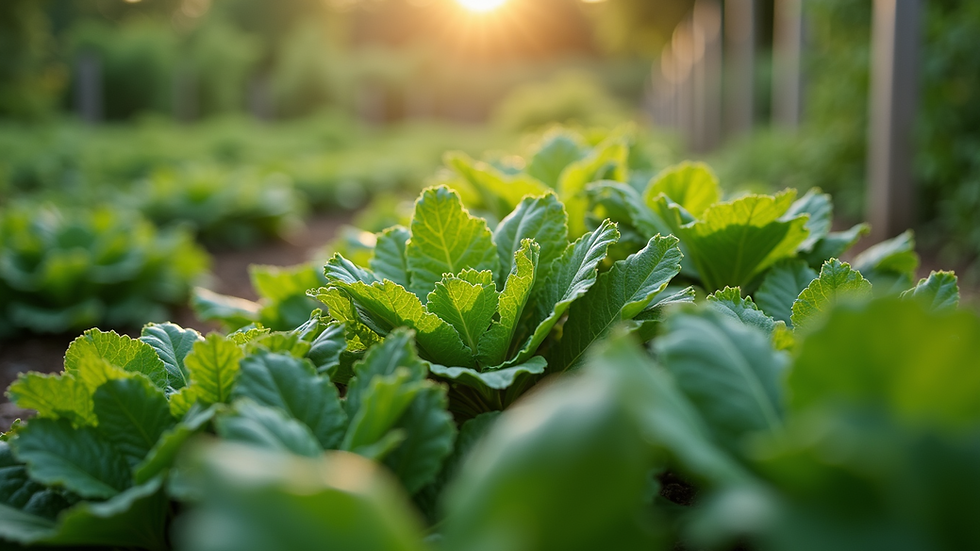
Understanding Organic Farming
Organic farming is defined by its avoidance of synthetic fertilizers, pesticides, and genetically modified organisms (GMOs). Instead, it relies on natural processes and materials to cultivate crops. This approach not only benefits the environment but also leads to healthier food options for consumers.
Key Principles of Organic Farming
Biodiversity: Organic farms often feature a variety of crops and livestock, which helps maintain ecological balance.
Soil Health: Healthy soil is the foundation of organic farming. Practices like crop rotation and composting enrich the soil with nutrients.
Natural Pest Management: Instead of chemical pesticides, organic farmers use natural predators and organic-approved substances to manage pests.
Sustainability: Organic farming practices aim to minimize environmental impact and promote long-term agricultural viability.
Top Organic Farming Practices
1. Crop Rotation
Crop rotation involves alternating the types of crops grown in a particular area over time. This practice helps prevent soil depletion and reduces the risk of pests and diseases. For example, rotating legumes with other crops can enhance soil nitrogen levels, benefiting subsequent plantings.
2. Composting
Composting is the process of recycling organic matter, such as food scraps and yard waste, into a nutrient-rich soil amendment. By adding compost to the soil, organic farmers can improve soil structure, enhance moisture retention, and provide essential nutrients to plants.
3. Cover Cropping
Cover crops are planted during the off-season to protect and enrich the soil. These crops prevent erosion, suppress weeds, and improve soil fertility. For instance, planting clover or rye can enhance soil health and provide habitat for beneficial insects.
4. Integrated Pest Management (IPM)
IPM is a holistic approach to pest control that combines biological, cultural, and mechanical practices. By monitoring pest populations and using natural predators, organic farmers can effectively manage pests without relying on synthetic chemicals. For example, introducing ladybugs can help control aphid populations.
5. Organic Mulching
Mulching involves covering the soil with organic materials like straw, wood chips, or grass clippings. This practice helps retain moisture, suppress weeds, and improve soil health as the mulch decomposes. Organic mulching also enhances the aesthetic appeal of the farm.
6. Natural Fertilizers
Organic farmers use natural fertilizers, such as manure, bone meal, and fish emulsion, to nourish their crops. These fertilizers release nutrients slowly, promoting healthy plant growth without the risk of chemical runoff.
7. Water Conservation Techniques
Sustainable water management is crucial in organic farming. Techniques such as drip irrigation and rainwater harvesting help conserve water and ensure that crops receive adequate moisture. These methods reduce water waste and promote efficient use of resources.
8. Agroforestry
Agroforestry combines agriculture and forestry practices to create a more diverse and sustainable farming system. By integrating trees into crop and livestock systems, farmers can enhance biodiversity, improve soil health, and provide shade and shelter for animals.
9. Organic Certification
Obtaining organic certification is essential for farmers who wish to market their products as organic. This process involves adhering to strict guidelines set by certifying bodies, ensuring that the farm meets organic standards. Certification not only builds consumer trust but also opens up new market opportunities.
10. Community Supported Agriculture (CSA)
CSAs connect farmers directly with consumers, allowing them to sell their produce directly to local communities. This model fosters a sense of community, supports local economies, and reduces the carbon footprint associated with transporting food over long distances.
Benefits of Organic Farming Practices
Adopting organic farming practices offers numerous benefits, including:
Healthier Produce: Organic fruits and vegetables are free from synthetic chemicals, making them a safer choice for consumers.
Environmental Protection: Organic farming practices help preserve biodiversity, protect water quality, and reduce pollution.
Economic Viability: Organic farms often command higher prices for their products, leading to increased profitability for farmers.
Resilience to Climate Change: Organic farming practices enhance soil health and biodiversity, making farms more resilient to climate-related challenges.
Challenges in Organic Farming
While organic farming offers many advantages, it also presents challenges. Some of these include:
Higher Labor Costs: Organic farming often requires more manual labor, leading to increased operational costs.
Pest Management: Managing pests without synthetic chemicals can be challenging and may require more time and resources.
Market Competition: As organic farming becomes more popular, competition in the market increases, making it essential for farmers to differentiate their products.
Conclusion
Organic farming practices are essential for creating a sustainable food system that benefits both consumers and the environment. By implementing practices such as crop rotation, composting, and integrated pest management, farmers can produce high-quality, healthy food while promoting ecological balance.
As consumers, we can support organic farming by choosing organic products and advocating for sustainable agricultural practices. Together, we can contribute to a healthier planet and a more sustainable future for generations to come.
Call to Action
Are you interested in supporting organic farming? Consider joining a local CSA, purchasing organic produce from farmers' markets, or even starting your own organic garden at home. Every small step counts towards a more sustainable food system.


Comments